An established idea, considered afresh
The brand dates its beginnings to 2014, when its range included scarves and clothing. Its story also includes a pause and a return after the domain was recovered, rather than a claim of uninterrupted trading. That distinction matters when introducing a label honestly. The enduring idea is straightforward: an elegant accessory should make sense alongside a woman’s existing wardrobe. It can refresh a repeated combination without turning every morning into a new styling project.
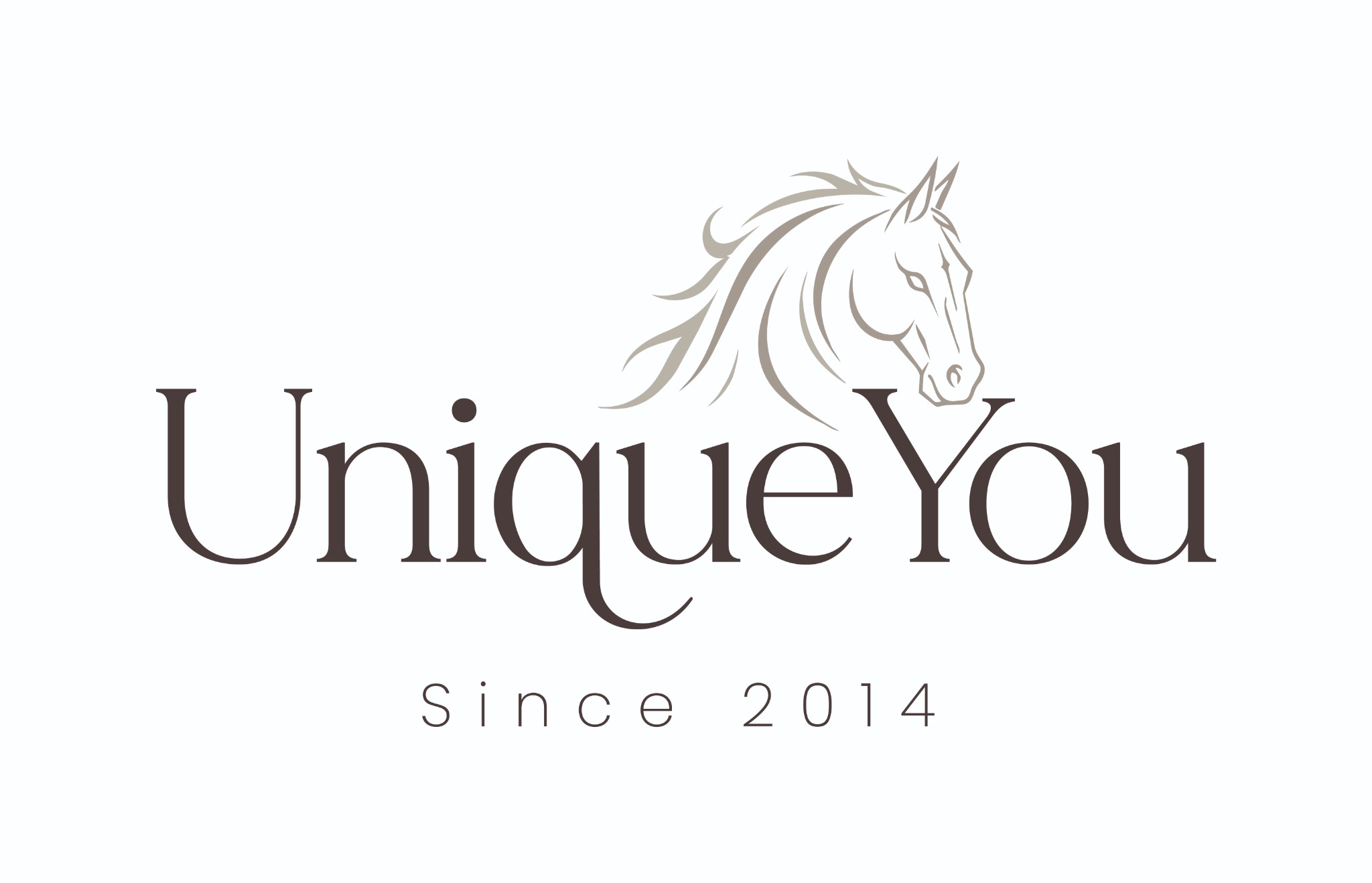
Its visual identity offers a useful clue to that approach. The original brown wordmark carries a horse motif and the words “Since 2014,” while a neutral taupe palette keeps the presentation restrained. Neither a logo nor a colour scheme can tell you how a particular scarf will feel. They do, however, suggest why it is worth looking beyond a single eye-catching photograph. Consider the accessory as part of a whole outfit, and ask whether its colour, shape and surface will still appeal after the first impression has passed.
Start with three outfits, not an empty shopping basket
Before choosing a scarf, put together three outfits you actually wear: perhaps a weekday layer, a relaxed combination and something for an occasion. Notice the necklines, outer layers and colours already doing most of the work. A wardrobe built around dark coats may welcome a lighter scarf near the face. If patterned dresses are common, a quieter wrap may be easier to use than another busy print. This exercise turns a vague search for something attractive into a practical question: which accessory gives these clothes a useful new option?
Pay attention to the gaps rather than buying a duplicate of a piece you seldom use. You might have several narrow scarves but nothing broad enough to drape over your shoulders, or a warm scarf that feels too substantial with a light jacket. Take note of colours you enjoy in theory but rarely wear. An accessory is a manageable place to try one, especially when its pattern also contains a familiar wardrobe colour. The goal is not perfect coordination; it is a connection that makes putting the outfit together feel natural.
Choose the shape before the print
Shape changes what a scarf can do. A long scarf can be looped, left open down the front or tucked into a coat. A square scarf gives you a compact accent at the neck and may also work in the hair, depending on its size and how you like to tie it. A shawl or wrap offers a broader sweep across the shoulders, useful when you want the accessory to play a more visible part in an outfit. These are styling possibilities, not guarantees about the dimensions of every item; check the individual product information before deciding.
Think about how much fabric you enjoy managing. A small square can add definition to a plain shirt without covering its collar, while a larger wrap can soften the line of a sleeveless dress. If you prefer an uncomplicated morning routine, picture the simplest way you would wear the piece, not the most elaborate arrangement in a photograph. A scarf that looks appealing only after a complicated knot may see less use than one that works with a single fold. Let the shape serve your habits as well as your taste.
Read material names as a starting point
The range includes silk, cashmere and wool categories, but a category name is not a statement that every product in it has the same composition. Check the fibre details for the specific scarf or wrap you are considering. Composition can influence the feel, drape and care requirements, yet dimensions and construction matter too. A narrow piece and a generous shawl will sit differently even if both appear under the same material heading. Looking at the actual item rather than relying on a category label is the more reliable way to choose.
Match the material question to the job you have in mind. If you want a scarf to sit smoothly with a shirt, consider how much volume you are comfortable wearing at the neckline. If you want a wrap for evenings, consider its coverage and the way it folds over the shoulders. For a gift, care instructions deserve particular attention: an attractive fabric may not suit someone who prefers very simple upkeep. When the listing does not settle an important question, it is better to leave that question open than to assume a fibre percentage, texture or washing method.
Make colour work with what is already there
A useful colour test starts with the coat or jacket the scarf will meet most often. Lay the colours together in your mind—or beside each other if the clothes are at hand—and decide whether you want contrast, a gentle tonal shift or a repeated shade. Taupe, cream, navy and other familiar neutrals can provide a quiet bridge, while a red, green or patterned scarf can become the focal point. No colour is inherently the sensible choice. The question is whether it helps you wear the accessory with more than one outfit you already like.
Print needs the same kind of consideration. Checks can add structure to plain outerwear; a fluid pattern can soften a sharply tailored look. If your wardrobe already contains several prints, seek a shared colour or vary the scale so the pieces do not compete for attention. A scarf need not match a handbag or shoes exactly. Often one small echo—a stripe that picks up the colour of a sweater, for example—is enough. Try to imagine the outfit at everyday distance, not only as a close-up of the scarf.
Style for the day you are having
The easiest styling ideas respect the clothes underneath. With a plain crew-neck top, a square scarf can bring colour close to the face. Over a simple dress, a shawl can create a broader line across the shoulders. With a coat, a long scarf worn open may introduce two vertical lines without adding a knot at the neck. These combinations are starting points rather than rules. Adjust the fold, looseness and placement until you can move comfortably and the accessory feels like part of your own way of dressing.
Small changes can make one piece do several jobs. Fold a square more narrowly for a modest neck accent, or leave more fabric visible when you want the print to show. Drape a wrap evenly for a composed look, or gather it to one side if that suits the outfit better. If a scarf is intended for the hair, consider whether its size and surface suit the style you have in mind. The useful test is not how many arrangements are theoretically possible, but which ones you would willingly repeat.
Give a gift that leaves room for personal style
Scarves can be appealing gifts because they do not require the same kind of fit decision as many garments, but colour, scale and fabric still make the choice personal. Begin with what the recipient wears, not with what you would choose for yourself. Do they favour quiet colours, vivid accents, crisp patterns or soft-looking textures? Would they use a small neck scarf, or do they regularly carry a broader layer? If you are unsure, a piece that relates to a coat or jacket you have seen them wear is a more grounded choice than a guess based on a trend.
Think about the setting in which the gift might be used. Someone who dresses simply for work may enjoy a restrained accent they can wear often; someone who likes occasion dressing may appreciate a wrap that changes the outline of a familiar outfit. Check the product’s dimensions, composition and care information before making that decision. Avoid writing a whole imaginary story about the recipient around one photograph. A thoughtful gift offers possibilities while allowing the person receiving it to decide how, and whether, it becomes part of their wardrobe.
Compare products with a short, useful checklist
When two pieces catch your eye, compare them on practical terms before choosing between their photographs. What are their stated dimensions and compositions? Is one intended to sit at the neck while the other has the breadth you want across your shoulders? Which colours already appear in your wardrobe? Can you picture at least two outfits for each candidate? A short comparison helps separate a piece you admire from one you are likely to wear. It also makes it easier to notice when you need more product information.
Read care guidance as part of the decision rather than an afterthought. The right approach depends on the particular item, so follow its stated instructions instead of assuming all silk, wool or cashmere-category pieces should be handled alike. Consider where you would keep the scarf, how often you might wear it and whether its upkeep fits your routine. This is not an argument for choosing only the most practical-looking accessory. It is a way to give a beautiful piece a fair chance of becoming a familiar one.
A recommendation built around use, not novelty
The most persuasive reason to consider this label is the range of accessory decisions it lets you make: a compact square for a small accent, a scarf for everyday layering, or a broader shawl or wrap when you want more presence. Its material categories offer another way to narrow the search, provided you verify the details of the individual item. Rather than looking for one universally correct scarf, start with the role you want it to play and work from there toward shape, colour and composition.
Give yourself permission to choose quietly. A scarf that links several existing garments may be more valuable to you than one that demands an entirely new outfit. Equally, a bold print can be a considered choice when your wardrobe gives it a clear place to land. The recommendation is to shop with a few real combinations in mind, use the relevant regional-language destination to explore the type of piece you want, and judge each candidate by its own details. That keeps the focus on wearing the accessory, not simply acquiring it.
A guide to regional-language destinations
The brand has 20 regional domains, 21 regional-language versions and 16 distinct languages. Those numbers differ because countries can share a language, and the United Arab Emirates has two language versions on one domain: Arabic at the root and English at /en. Choose the country and destination language that fit your visit. Each note below points to a starting place or a particular accessory category; a collection name is a direction for browsing, not a substitute for checking an individual product’s details.
Poland — Polish
For the Polish-language destination in Poland, the brand homepage is a broad starting point — UniqueYou. If a small, decorative neck scarf is the item you are considering, the Polish-language collection for fashionable square scarves provides a more focused route — modne apaszki UniqueYou. Compare its available pieces with the collars and jackets you wear most often.
Germany — German
For Germany, begin at the German-language brand homepage if you want to compare accessory shapes — UniqueYou. The German-language route for lightweight scarves is more useful when you want less apparent bulk around a neckline — schal dünn UniqueYou. Check the dimensions and composition of a particular piece rather than treating the collection name as a measure of its weight.
Czechia — Czech
The Czech-language brand homepage for Czechia gives you a general place to begin — UniqueYou. For a neck scarf within the cotton-scarf collection, use the Czech-language category route — stylový bavlněný šátek na krk UniqueYou. Think about whether a compact accent or a more visible fold would suit your usual shirt or jacket, and verify the selected item’s fibre details.
Spain — Spanish
In Spain, the Spanish-language brand homepage is the broad destination — UniqueYou. If checks appeal to you, the Spanish-language collection of checked scarves offers a narrower starting point — bufandas cuadros UniqueYou. Try the pattern against a plain coat or knit in your wardrobe, then look at the scale and colours of the individual design.
France — French
For the French-language destination in France, start with the brand homepage when you want an overview — UniqueYou. If you are considering a scarf to wear in your hair, the French-language hair-scarf collection is the more direct route — foulard pour cheveux UniqueYou. Check its dimensions before imagining a particular tie or fold.
Hungary — Hungarian
For Hungary, the Hungarian-language brand homepage opens the wider selection — UniqueYou. The Hungarian-language silk-scarf collection is a place to explore a more specific material category — selyem kendő UniqueYou, while the Hungarian-language scarf collection offers a broader shape-led comparison — UniqueYou. Read each product’s composition and size before deciding which direction suits you.
Italy — Italian
The Italian-language brand homepage is the general starting place for Italy — UniqueYou. For a wider accessory to consider with a dress or jacket, the Italian-language stole collection is a focused route — stole donna UniqueYou. You can also explore the Italian-language cashmere-scarf collection — UniqueYou; check the specific item’s composition, dimensions and care guidance.
Romania — Romanian
In Romania, begin with the Romanian-language brand homepage for the full accessory context — UniqueYou. If an elegant silk-category scarf is closer to what you have in mind, the Romanian-language collection gives you a direct place to compare designs — esarfe dama elegante matase UniqueYou. Consider which colours would work with the recipient’s wardrobe if you are choosing a gift.
Slovakia — Slovak
The Slovak-language brand homepage serves as a broad entry point for Slovakia — UniqueYou. For a neck scarf in the silk category, use the Slovak-language collection route — dámska hodvábna šatka na krk UniqueYou. A promising colour is only part of the choice: check how the stated size and composition fit the way you plan to wear it.
Finland — Finnish
For Finland, the Finnish-language brand homepage provides the general starting point — UniqueYou. The Finnish-language hair-scarf collection suits a search for a piece to style around the head or hair — huivi hiuksiin UniqueYou. If shoulder coverage is the priority instead, explore the Finnish-language shawl collection — UniqueYou and compare the dimensions of the pieces you like.
Sweden — Swedish
In Sweden, the Swedish-language brand homepage is the place to begin a general browse — UniqueYou. For a red scarf as a deliberate colour accent, the Swedish-language red-scarf collection offers a more specific route — röd scarf dam UniqueYou. Test that shade against the coats you actually wear rather than assuming every red will play the same role.
Denmark — Danish
The Danish-language brand homepage offers an overview for Denmark — UniqueYou. If an everyday scarf is your starting idea, the Danish-language scarf collection is a useful next step — halstørklæder dame UniqueYou. For a broader layer, the Danish-language shawl collection provides another direction — UniqueYou. Let the product dimensions help you decide which shape answers your original need.
Belgium — Dutch
For Belgium’s Dutch-language destination, start at the brand homepage for a wider view — UniqueYou. If you are looking for a deep burgundy accent, the Dutch-language burgundy-scarf collection narrows the search — sjaal dames bordeaux UniqueYou. Imagine it beside your most-worn outer layer, and compare individual shades and patterns before choosing.
Austria — German
In Austria, the German-language brand homepage is the general entry point — UniqueYou. For a neck scarf, the German-language neck-scarf collection offers a shape-led route — damen halstuch UniqueYou. The German-language cashmere-scarf collection gives you a material-category alternative — UniqueYou; consult each item’s composition instead of inferring it from the category.
Netherlands — Dutch
The Dutch-language brand homepage is a broad starting place for the Netherlands — UniqueYou. For a smaller scarf in the silk category, the Dutch-language collection offers a focused browse — zijde sjaaltje dames UniqueYou. If you want to compare a more substantial scarf category, visit the Dutch-language cashmere-scarf collection — UniqueYou and check the details of the particular piece.
United States — English
For the United States, the English-language brand homepage opens the wider selection — UniqueYou. The English-language square-scarf collection is a good starting point for a compact accent — square scarf UniqueYou. If you are thinking instead about a broader layer over the shoulders, the English-language shawl collection leads to that category — UniqueYou.
United Arab Emirates — Arabic
The United Arab Emirates has an Arabic-language version at the domain root; its brand homepage is the starting point for that destination — UniqueYou. For a more focused browse, the Arabic-language silk-scarf collection leads to that material category — UniqueYou. Check each scarf’s listed composition rather than assuming the category describes every fibre in it.
United Arab Emirates — English
The United Arab Emirates also has an English-language version at /en. To reach that English-language brand destination, use the English-language entry link — scarf and shawl brand UniqueYou. This leads to the English version rather than a particular scarf collection, so begin there if you want to compare shapes before narrowing your choice.
Ireland — English
For Ireland, the English-language brand homepage is the broad entry point — UniqueYou. If a checked pattern would lift a plain coat, the English-language checked-scarf collection is a focused place to browse — plaid scarf UniqueYou. The English-language general scarf collection offers another route when you would rather compare shapes and colours first — UniqueYou.
United Kingdom — English
The English-language brand homepage is the starting point for the United Kingdom — UniqueYou. If a scarf in the cashmere category is what you want to consider, the English-language collection gives you a direct route — ladies cashmere scarf UniqueYou. Compare the individual product’s composition, size and care details with the role you expect it to fill.
Portugal — Portuguese
For Portugal, begin at the Portuguese-language brand homepage for an overview — UniqueYou. The Portuguese-language scarf collection is a useful place to compare neckwear — lenço UniqueYou, while the Portuguese-language shawl collection leads toward broader shoulder layers — UniqueYou. Choosing between them starts with how much coverage you would enjoy wearing.
Start with the clothes you already reach for, choose the accessory shape that gives them something useful, and let the details of the individual scarf guide the final decision.